Sustainable Architecture: Smart Design for More Efficient Buildings
Date: May 20, 2026
Architecture is evolving toward solutions that are more efficient, comfortable, and environmentally responsible. In a context where energy conservation, indoor well-being, and reducing environmental impact are becoming increasingly important, sustainable architecture is emerging as a key trend in the design and construction of homes and buildings.
What is sustainable architecture?
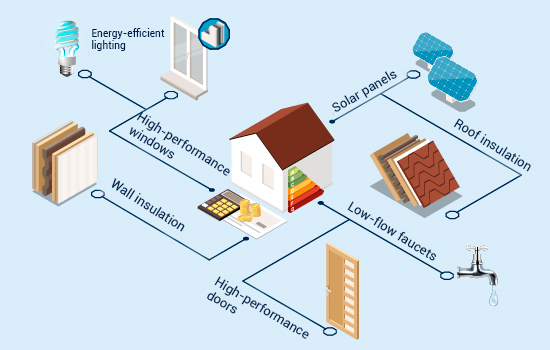
Sustainable architecture is a design methodology that aims to minimize the consumption of energy, water, and materials, while reducing a building’s environmental impact throughout its entire life cycle.
Its goal is to create spaces that are:
The region’s diverse climate, ranging from arid and hot areas to humid and mountainous regions, requires building solutions capable of adapting to varying conditions of temperature, humidity, solar radiation, and precipitation.
In this context, an efficient thermal envelope is essential for reducing heat gains and losses, optimizing the use of HVAC systems, and improving the energy performance of buildings. Among the most important elements are: walls with adequate thermal insulation, well-designed roofs, airtight seals, and high-performance windows.
Bioclimatic design: harnessing the climate to our advantage
Within sustainable architecture, bioclimatic design plays a fundamental role, as it seeks to harness the natural conditions of the environment to improve energy efficiency and indoor comfort. This allows for the design of spaces that stay cooler in hot climates, better maintain indoor temperatures in temperate or mountainous areas, and require less energy for heating and cooling. To achieve this, variables such as:
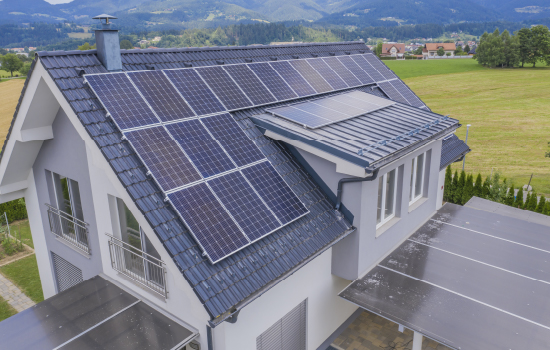
Deceuninck and Energy Efficiency
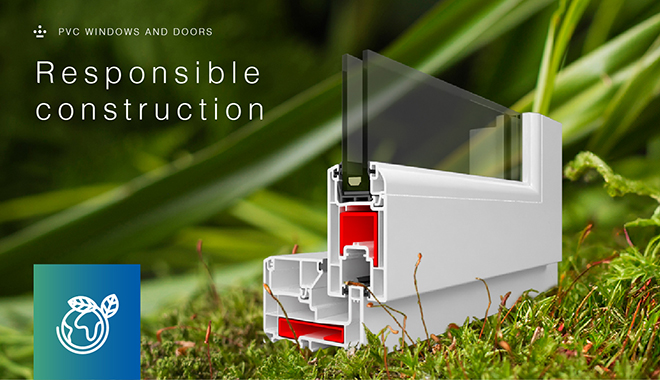
Deceuninck plays a key role in energy efficiency thanks to the design of its PVC windows. Windows are one of the most critical components of a building’s envelope, as they directly influence thermal insulation, airtightness, and indoor comfort.
Among the key advantages of Deceuninck solutions are:
-
 Excellent thermal insulation
-
 Sound insulation
-
 Energy savings
-
 High security
-
 Less maintenance
-
 Maximum airtightness
-
 They do not spread fire
-
 Wind resistance
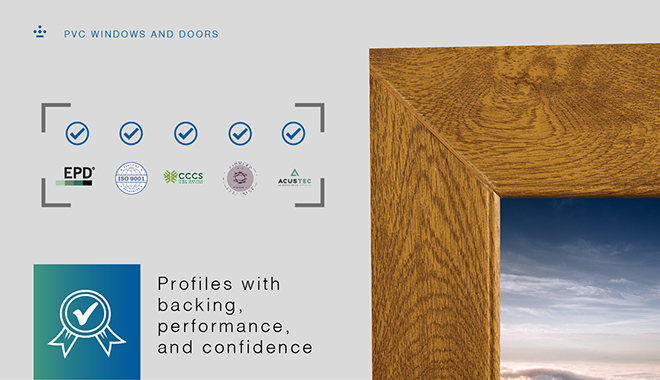
Deceuninck systems feature multi-chamber profiles and solutions designed to meet high standards of efficiency, contributing to energy certification and the sustainable performance of any project. With innovative solutions like those from Deceuninck, it is possible to develop projects that combine design, efficiency, and a commitment to the environment, building spaces today that will best meet the needs of the future.
 Regions